Tinsel, Treats and Tension: A Week-by-Week Festive Plan for Calmer Pets
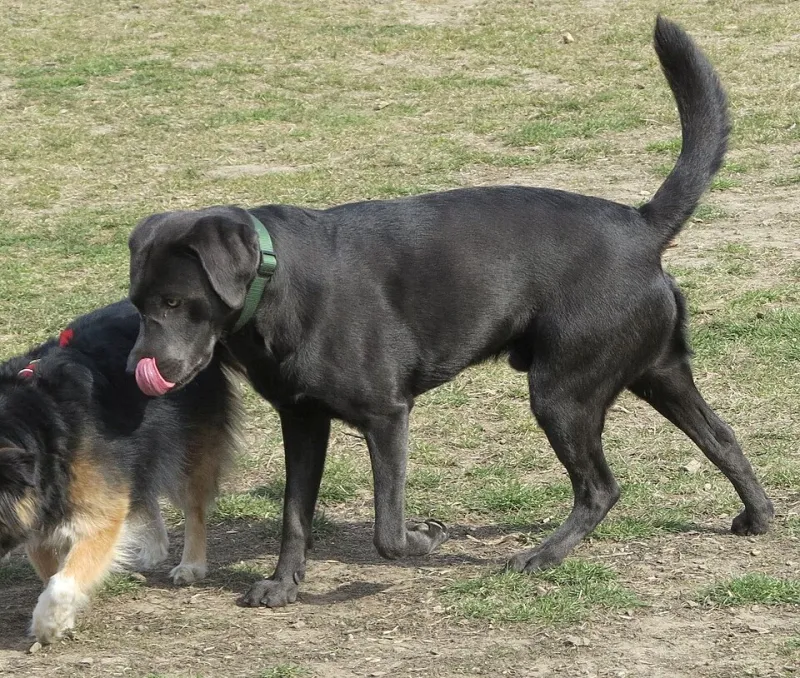
Photo: Sciencia58, CC0, via Wikimedia Commons
Christmas starts earlier than we like to admit. By mid-November, the advent calendars are on the shelves, the Christmas cake has been fed, and someone in the family has already suggested putting the tree up 'just to see how it looks'. For pets, this is the season when the house starts to smell different, the furniture moves, and visitors arrive with bags that may or may not contain sausages.
None of this needs to become a worry list. A calm Christmas is not about wrapping your dog in cotton wool or banning all fun. It is about keeping a few anchors in place while the rest of the house goes temporarily mad. Here is a friendly, week-by-week plan for UK homes — one that works for dogs, cats, rabbits and other companion animals too.
The festive season starts before the tree does
Advent calendars are the first big temptation. Chocolate behind every door is a daily delight for humans and a daily risk for dogs. Keep calendars well out of reach, and remember that 'out of reach' means higher than a counter-surfing Labrador can stretch. If you want your pet to join in, use a pet-safe advent calendar with dog biscuits or veggie treats, and keep the chocolate version for the humans only.
It is also worth doing a quick kitchen audit before December. Chocolate coins, selection boxes, Christmas cake, mince pies, Christmas pudding and raisins are all common festive foods that can be harmful to dogs. Grapes and raisins are a particular concern, and xylitol — found in some sugar-free sweets and chewing gum — is dangerous too. If your dog does eat something they should not, contact your vet straight away with the type of food and your dog's weight. Do not wait for symptoms.
Week by week: a calm Christmas countdown
Week 1 — mid-November. Check your vet's festive opening hours and save the out-of-hours number. Make sure microchip details are up to date and that your dog is wearing a collar with an ID tag on walks. Book any grooming or routine appointments now, before the diary fills up. If you use a dog walker or pet sitter over Christmas, confirm dates and handover details early. Start thinking about where your pet's quiet space will be when the house gets busy.
Week 2 — late November. Put decorations up in stages rather than all at once. Anchor the tree, keep breakable baubles high, and tidy loose fairy-light cables. If your dog is a chewer, skip tinsel and avoid edible decorations. Real trees drop needles, which can irritate paws and mouths; sweep regularly. Create a quiet room or corner that is always available, with a bed, water and a familiar blanket. Let your pet choose to use it.
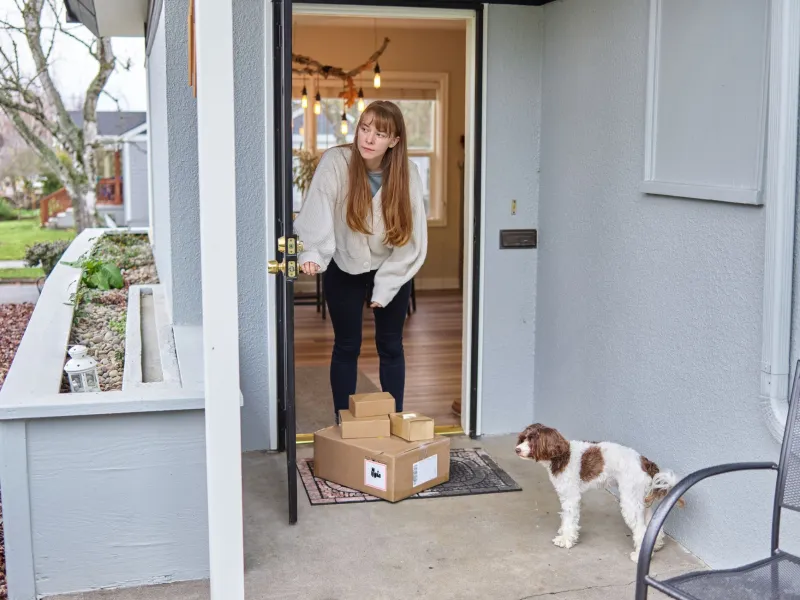
Week 3 — early December. Advent calendars are in daily use, so keep the rules simple. Ask everyone in the house to put chocolate away after opening, and keep bins closed. Start practising your visitor protocol: tell guests to ignore the dog until the dog is calm, avoid big group greetings at the door, and never let children crowd a pet who has gone to their bed. If your dog is worried by the doorbell, put a sign on the door or use a gate to create a buffer.
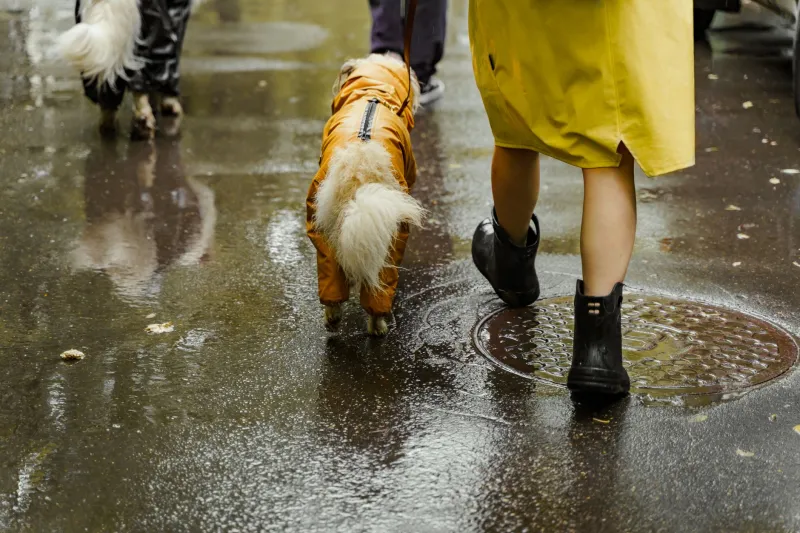
Week 4 — mid-December. The social diary peaks. Keep meal times, walk times and bedtime as close to normal as you can. A short sniffy walk is often more settling than a big festive outing. In wet, dark weather, dry paws at the door and keep towels handy. If you are out late, leave a light on and keep the radio low for company. Check prescriptions are in date and that you have enough food and medication to get through the bank holidays.
Christmas week. This is when the leftover temptations appear. Turkey bones, onions, garlic, alcohol, raisins and rich fatty foods are all best kept well away from pets. Ask guests not to share plates, and put leftovers straight into a closed bin. Keep the quiet space available even when the house is full. If your pet disappears under the bed, let them. It is not rude; it is sensible.
Decorations, cables and curious noses
A Christmas tree is a climbing frame, a chew toy and a very large new object all at once. Anchor it to the wall if you can. Use cable tidies for fairy lights, and unplug lights when you are out. Battery-operated tea lights are safer than real candles, especially with cats around. Potpourri, lilies and some festive plants can be harmful to pets — lilies are a particular risk for cats — so check before you bring them home. Poinsettia has a reputation for being deadly, but it is more likely to cause a sore mouth than a crisis; still, it is easier to keep it out of reach.
Visitors: a protocol, not a performance
Guests often want to say hello to the dog first. That is usually the worst bit for the dog. A calmer approach is to let the dog choose. Ask visitors to come in, sit down, and ignore the dog for the first few minutes. If the dog approaches, they can offer a calm hand and a treat, but no looming, no hugging, no picking up. For cats, a quiet room with a litter tray and water is often kinder than a party. For rabbits and small pets, keep cages and hutches away from the noise and make sure doors are secure.
Routine anchors in a season of disruption
You do not need a perfect routine. You need a few reliable anchors: food, walks, sleep and a safe place to retreat. A wet walk is still a walk. A short lead walk around the block in the rain can do more for your dog's mood than a missed adventure. Keep a towel by the door, dry harnesses overnight, and make sure paws are checked for grit and salt. If your dog is older or arthritic, cold mornings can make joints stiffer, so shorter, more frequent walks may suit better than one long one.
The vet bit: plan before the mince pies
Save your vet's number now, and the out-of-hours number too. Check whether your practice has reduced hours over Christmas and New Year. If your pet is on medication, order it early. If you are travelling with a pet, check the carrier, the route and any travel rules well ahead. A festive vet visit is far easier when you already know where you are going and who to call.
Christmas is a lot. Your pet does not need it to be perfect. They need it to be predictable enough to feel safe, with a quiet corner, a familiar walk and someone who knows when to slow things down. That is a pretty good gift for any pack.