After the Soggy Splash: A Calm Paw-Care Ritual for British Wet Days
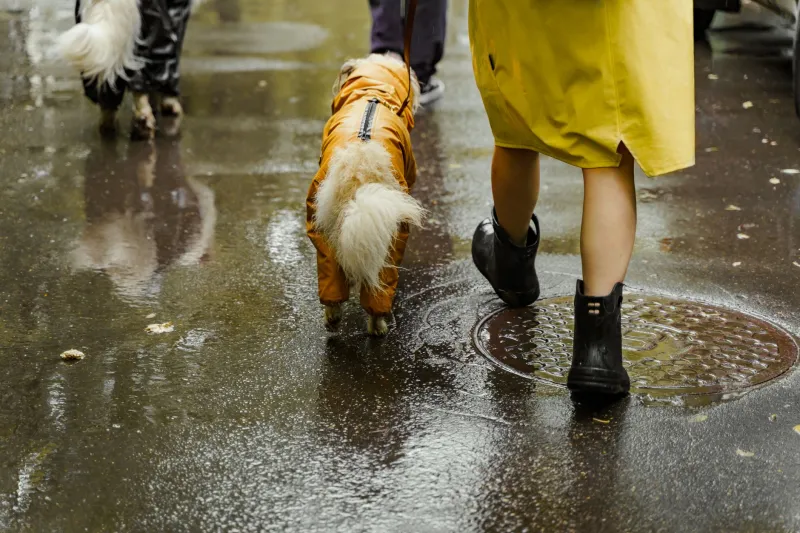
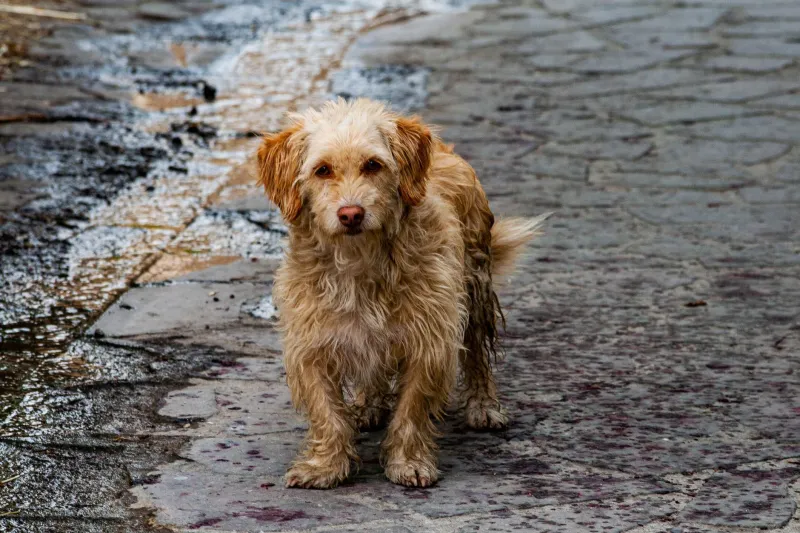
By November, the UK walk has a familiar soundtrack: the squelch of a footpath that has given up, the skitter of wet leaves on tarmac, and the cheerful sound of a dog pretending they are not about to bring half the park into the hallway. Wet weather is not the enemy. It is just a different kind of walk, with a different kind of aftercare.
The goal is not to wrap your dog in bubble wrap or turn every doorstep into a surgical scrub. It is to have a calm, repeatable routine that checks, cleans and protects without making your dog dread coming home. Think of it as the muddy paw protocol: quick enough to do every day, thorough enough to catch the small things.
Why wet-weather paws need a closer look
A dog's paw pads are tough, but they are not armour. Wet weather softens the skin between the toes, makes grit and small stones stick, and turns long fur around the feet into a mud sponge. Add road salt and grit from winter gritting, and you have a combination that can irritate skin, dry out pads and hide tiny cuts.
Most dogs will be absolutely fine with a sensible routine. The point is not to panic about every muddy footprint. The point is to check regularly, clean gently and know what a normal paw looks like on your dog, so you notice when something changes.
Step 1: Set up the doorway before the walk
A little preparation saves a lot of mopping. Keep a towel, a shallow bowl of lukewarm water, a second dry towel and a paw-friendly cloth by the door. If your dog is a mud magnet, a cheap microfibre mat just inside the door is worth its weight in gold.
This is not about having a perfect hallway. It is about making the routine easy enough to repeat when you are cold, damp and desperate for a cup of tea. The best paw-care ritual is the one you will actually do on a dark Tuesday evening.
Step 2: Rinse, do not soak
For most muddy walks, lukewarm water and a gentle rinse are enough. A shallow bowl works well: one paw in, a quick swish, then pat dry. If your dog is very muddy, a hose on a gentle setting is fine in milder weather, but keep the water lukewarm rather than freezing or hot.
Avoid harsh soaps and human shampoos unless your vet has recommended one. Dog skin has its own balance, and frequent stripping shampoos can leave paws and coats drier and more irritated. For everyday mud, water and a towel do more than enough. If your dog has a medical skin condition, follow your vet's advice rather than a generic routine.
Step 3: Dry between the toes properly
This is the step most of us rush. Towel the paw, then gently part the fur between the toes and dry the skin there too. Damp, warm spaces between toes are exactly where irritation likes to start. A dog who licks their feet constantly after wet walks may be telling you something is uncomfortable.
Do not rub hard enough to make your dog pull away. Use a soft towel or cloth, and keep the session calm and treat-friendly. If your dog hates having their feet handled, do one paw at a time and reward generously. Paw care should not become a wrestling match.
Step 4: Check pads, nails and the spaces in between
Look at the main pads and the little ones. Check for cuts, grazes, thorns, small stones, cracked skin or anything that looks red and angry. Look between the toes for burrs, grass seeds or matted fur. In winter, grass seeds are less common than in summer, but they can still lurk in long fur.
Run your hand gently over the paw and up the leg. You are not looking for perfection. You are looking for changes: a paw that is suddenly sensitive, a swelling, a lick spot or a limp that was not there yesterday.
Step 5: Deal with grit and road salt
Winter grit and salt can be irritating to paws and can also be licked off later. A quick rinse after walks on treated roads is sensible, especially if your dog has sensitive skin or a habit of licking their feet. Do not let your dog drink from puddles on gritted roads.
If your dog wears boots, check inside them for grit before and after the walk. If they do not wear boots, make sure the paw balm you use is dog-safe and not a human product with fragrance or essential oils. A thin layer of a suitable paw balm can help protect against drying, but it is not a substitute for checking and cleaning.
Step 6: Keep the hallway calm and the kit together
A soggy dog often wants to charge into the living room and shake on the nearest soft furnishing. A simple routine helps: lead off, paws wiped, towel dry, then a reward and a settle. Keep the paw kit in one place so nobody is hunting for a towel while the mud sets.
If your dog is elderly, arthritic or very young, make the routine shorter and more comfortable. A non-slip mat by the door helps older dogs feel steadier. A warm towel is nice, but avoid hot radiators and hair dryers close to the skin.
When a small irritation needs a vet call
Most muddy paw episodes are just that: muddy paws. But some things deserve a proper conversation with your vet. Contact your vet if you see persistent limping, a wound that will not stop bleeding, swelling, a paw that is hot and painful, constant licking with redness, or a foreign object you cannot safely remove. Ring the practice if you are unsure; it is better to ask than to wait and worry.
The point of the ritual
The British wet season asks a lot of dog owners: dark afternoons, muddy footpaths, gritted pavements and a hallway that never quite dries. A calm paw routine will not change the weather. It will make the after-walk chaos a bit more manageable, help you spot small problems early and keep your dog comfortable.
That is the whole point. Not a spotless house, and not a dog wrapped in cotton wool. Just a warm towel, a quick check, a treat and a pack that is happy to do it all again tomorrow.