Lights, Paws, Action: A Practical Guide to the 4pm Dog Walk
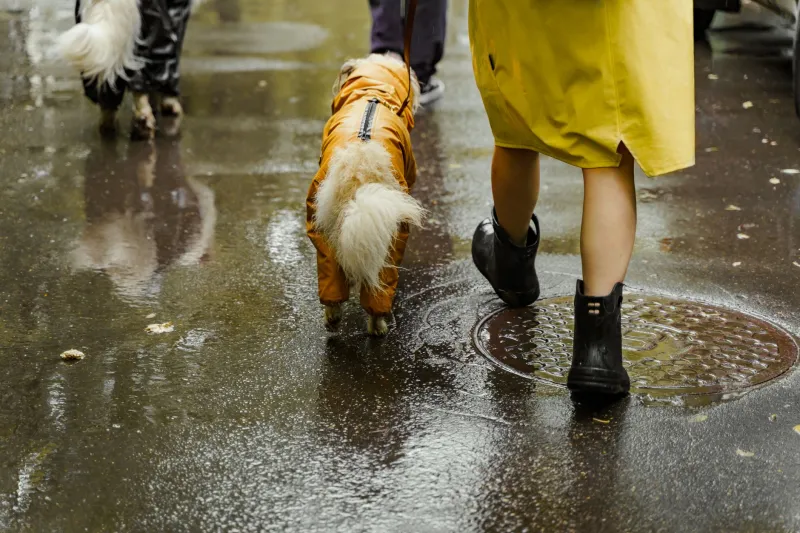
By the time the clocks have gone back and the supermarket car park is lit like a runway at 4.15pm, the evening walk has changed character. It is no longer a slow mooch with a sniff at every lamp post; it is a low-light operation. The good news is that it does not take much to make it safer, calmer and, dare we say it, quite pleasant. At Pack Buddies we walk through this stretch every year, and these are the habits that stick.
First, make yourself and your dog impossible to miss
Reflective kit is not about fashion. It is about giving a driver, a cyclist or a delivery rider an extra second or two to make a decision. A reflective harness or coat works well because it sits at car-headlight height, and a light-up collar or clip-on LED makes the dog easier to spot from the side. Put something reflective on yourself too: a jacket, a vest, a slap band, even a rucksack cover. If you are wearing all black and the dog is wearing all black, you are effectively a rumour.
Check the batteries before you leave, not halfway round. A head torch is more useful than a hand torch because it keeps both hands free for leads and treats. Use it to scan the pavement ahead for kerbs, glass and dog mess, not to shine into oncoming drivers’ eyes. And if your dog is nervous, avoid strobing lights and noisy clip-on tags that jangle; a steady beam and a soft, well-fitted harness will do more for their confidence than a disco collar.
The legal bit: roads, pavements and unlit corners
The Highway Code is not a statute book in itself, but it is used in court and it is a sensible starting point. It asks pedestrians to make themselves visible in poor light and to use reflective materials when it is dark. If there is no pavement, keep to the right-hand side of the road so you can see oncoming traffic, and be ready to walk in single file on narrow or unlit stretches. Keep your dog close and on a lead near roads, and do not let a long line trail into the road or across a pavement where someone could trip.
In practice, that means choosing the lit route even if it is a few minutes longer. It means crossing at corners rather than weaving between parked cars. And it means accepting that a retractable lead is a poor choice on a dark pavement: the cord is hard to see, the dog can range into danger, and tangles happen fast. A standard lead, a hands-free belt if you need one, and a torch are the boring, reliable combination.
Salt, grit and the paw problem
Council grit keeps the roads moving, but rock salt is an irritant. It can sting cracked pads, and dogs often lick it off their feet later. Rinse paws in lukewarm water when you get home, dry them properly, and check between the toes for grit, ice balls and small cuts. A paw balm before the walk can help protect dry pads, but it is not a suit of armour; boots are worth trying if your dog will tolerate them, especially on long walks along treated pavements.
Trim the fur between the toes if it is collecting ice, and keep a towel by the door. Do not let your dog drink from puddles on treated roads or from standing water where antifreeze may have dripped. Antifreeze tastes sweet and is extremely dangerous, so rinse paws and keep the driveway tidy.
Cold-weather hazards beyond the pavement
Seasonal canine illness, often called SCI, is a vague and frustrating label for a vomiting-and-lethargy illness that tends to appear in autumn and winter, sometimes after woodland walks. We do not know the exact cause, so the practical advice is to be alert rather than alarmed. If your dog develops repeated vomiting, tummy pain or unusual tiredness after a muddy walk, phone your vet. Do not wait to see if it passes.
Frozen ponds are another winter hazard that catches people out. A dog may run onto ice that looks solid, fall through, and be unable to climb out. Never follow a dog onto ice. Call 999 and keep sight of the dog, and encourage them towards the bank from a safe distance. Prevention is simpler: keep dogs on a lead around frozen water, even if they usually have good recall.
Match the walk to the dog
A puppy does not need a three-mile march in the dark. Short, frequent walks with plenty of sniffing and a chance to toilet are better for growing joints and busy brains. Senior dogs often prefer a slower pace, a flatter route and more stops; cold weather can make stiff joints worse, so a warm coat and a shorter loop may be kinder than the usual circuit. Anxious dogs may find dark evenings harder because there is more noise and less visual information. Walk earlier if you can, choose quieter streets, and give them space from other dogs rather than expecting them to cope with a busy park after dusk.
A dark-walk checklist a professional would actually use
- Charged head torch plus a spare battery or power bank.
- Reflective harness or coat, LED collar or clip light, and reflective lead.
- ID tag on the dog and a phone in your pocket.
- Poo bags, treats and a slip lead for emergencies.
- Towel and a bottle of lukewarm water for paw rinsing.
- Route shared with someone at home, especially on unlit or rural walks.
- Lead on near roads, frozen water and livestock, no exceptions.
- Head count at every gate, stile and corner if you are walking more than one dog.
Keeping the pack visible and together after dusk
Professional group walkers tend to use the same quiet system: every dog wears something reflective, every walker carries a torch, and the route is planned around lit pavements and safe crossing points. The pack stays on lead near roads and in unlit areas, and the walker counts heads at every change of direction. If one dog is slower or more anxious, they do not get dragged along at the back; the group adjusts or the walker splits the pack. Visibility is not just about being seen. It is about knowing exactly where every dog is, all the way home.
