The Clinic-Day Kit: What to Tuck in the Bag Before the Vet
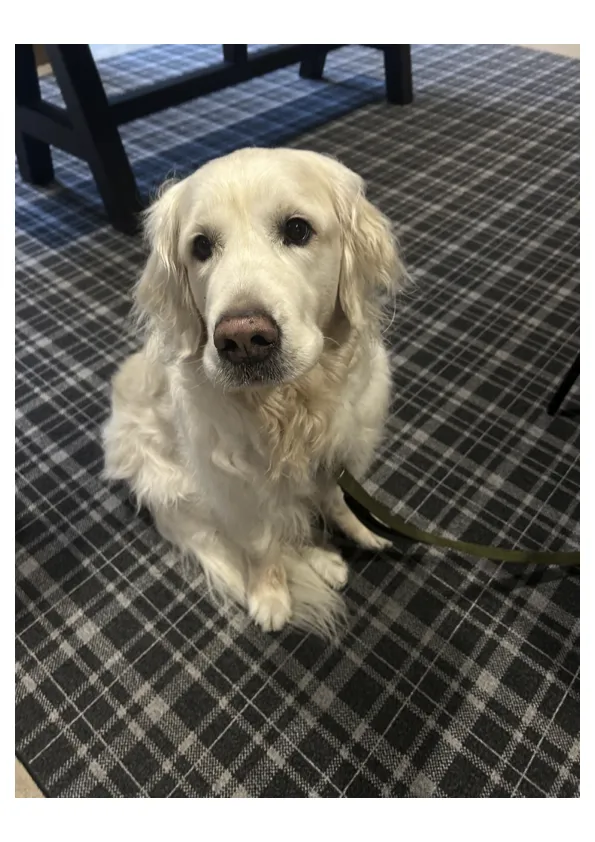
Photo: LeahRudy, CC0, via Wikimedia Commons
Most of us prep for a vet trip the way we prep for a dentist appointment: leave it late, grab the carrier, hope for the best. Then we arrive with a phone full of blurry photos, a carrier that smells of the shed, and a rough memory of when the last worming tablet went down. It works, mostly. It's just that the animal in the carrier is doing the hard bit, and we could make that hard bit shorter.
The good news is that a calmer clinic visit isn't about buying equipment. It's about three small things, kept together and ready, so the morning of the appointment isn't a scramble. Think of it as a grab-bag for the vet: paper, comfort, and leverage.
Start with the paper nobody can ever find
Reception desks are information-hungry places, and the quickest way to feel flustered is rooting through a coat pocket while a queue forms behind you. Keep a single A5 envelope or a slim plastic wallet with everything in one place.
What belongs inside:
- The vaccination record, whether that's the little card or a screenshot of the practice's own record.
- Insurance details, including the policy number and the phone line the practice would ring for pre-authorisation.
- A short medication list: drug name, dose, and the time of day it's given. Write it in plain language, not shorthand you invented at 11pm.
- The date of the last flea and worm treatment, plus what product was used.
- Microchip number, if your pet has one — useful if you're registering with a new practice.
- Any referral letter, printout or previous invoice, if this is a follow-up.
Two copies is not overkill. One stays in the bag permanently; one goes in the diary for the next appointment. If your pet is on long-term medication for something like arthritis, epilepsy or a thyroid condition, a simple month-by-month log is far more useful to a vet than a vague recollection that 'he's been a bit up and down'.
The towel that smells of home
Clinics are clean, bright and acoustically peculiar. A familiar scent is one of the few things you can genuinely offer an animal in that environment.
A small towel or a soft cloth that's been in your pet's bedding for a day or two is ideal. For a dog, it can go on the consulting table so there's something warm and known under the paws. For a cat, it can line the carrier and drape over the top, turning a see-through box into a quiet den. For a rabbit or guinea pig, a handful of used bedding does the same job inside a ventilated carrier.
One practical note: carry it in a zip bag if it's likely to be damp or muddy on the way home. There's a particular sort of disappointment in reaching for a comfort towel and finding it smells of wet car park.
Treats that actually land
This is the part people skip. A dog who will do anything for a bit of boiled chicken in the kitchen is not necessarily the same dog in a waiting room that smells of six other species.
Pack something that genuinely outranks the environment: cooked chicken, a smear of pate, a squeezy tube of pet-safe paste, or whatever your dog loses their mind over at home. Small pieces, a decent handful. The aim isn't bribery for its own sake — it's giving the dog something pleasant to do while a stranger handles their ears, and it's giving the vet a clearer read on a relaxed animal rather than a frozen one.
For cats, a favourite treat in a small pot and a bit of quiet is usually enough. For rabbits and small pets, a familiar bit of veg or a handful of their usual food keeps the journey less strange, though check with the practice beforehand if fasting is ever required.
Cats, rabbits and the small-pet version
The three-item idea holds, but the contents shift. A cat travelling to the vet needs a secure carrier with a non-slip mat, a familiar cloth over the top, and a note of any recent appetite or litter tray changes — genuinely useful clinical information that owners often forget by the time they're in the room.
Small pets are often handed over in a carrier and left, so make it easier: bedding from home, a small piece of veg with high water content, and a label on the box with your name, the pet's name and your phone number. A few practices will also ask you to bring a photo of the enclosure, which sounds odd until you realise how much housing tells them about diet, ventilation and company.
The handover at the desk
This takes about forty seconds if you've done the prep, and it sets the tone for the whole visit.
Lead with the practical: name, appointment time, and what the appointment is for. Then offer the wallet. If your pet is on medication, say the drug name and dose out loud rather than handing over a list and hoping. If something has changed since the last visit — a new lump, a change in thirst, a wobble on the stairs — mention it at the desk so it gets noted even if you forget later.
If you're anxious, say so. Reception teams deal with worried owners all day and a quiet 'I'm a bit nervous, could you walk me through what happens next' is never a nuisance.
In the consulting room
Let the vet lead, but keep your hand on the towel and the treats. Ask where they'd like your dog to be — floor or table — rather than assuming. If your dog is happier standing than being lifted, say that early.
Two useful habits: describe what you've actually seen rather than what you think it means ('she's been drinking more and asking to go out at 3am' beats 'I think it's a water infection'), and ask for the plan in writing if you're likely to forget it. Most practices will happily print or text a summary.
What to leave at home
The oversized bag with everything in it. The squeaky toy that sets off three other dogs. Retractable leads in a small waiting room. And the assumption that your pet will behave exactly as they do in the kitchen — they won't, and that's fine.
A five-minute reset afterwards
When you get home, dump the used towel in the wash, restock the treat pot, and note the next appointment or medication change in the diary while it's fresh. Then let your pet decompress — a quiet bed, a normal meal, a gentle sniff around the garden rather than an immediate big walk.
Keep the kit by the door, topped up, and the next visit starts from a much better place. Happy animals, calmer owners, and a vet who has everything they need before they've even said hello.