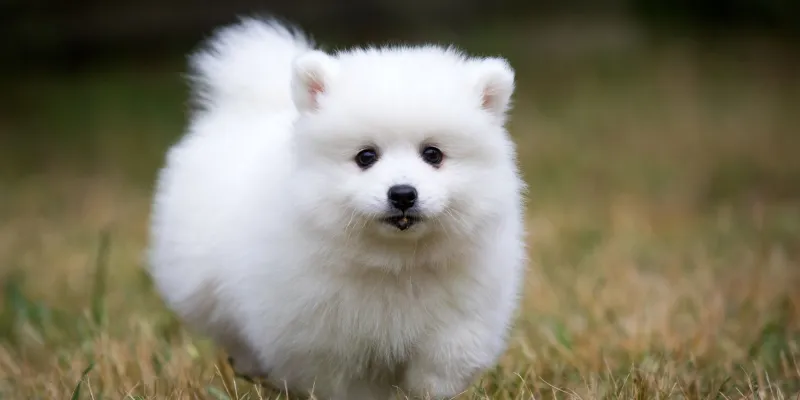
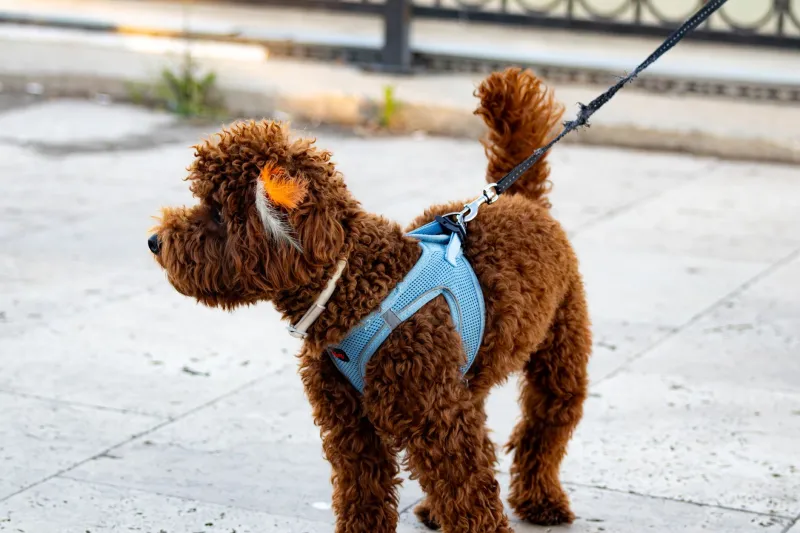
Two Leads, Zero Drama: Why a Spare Clip Earns Its Place in Every Walk Bag
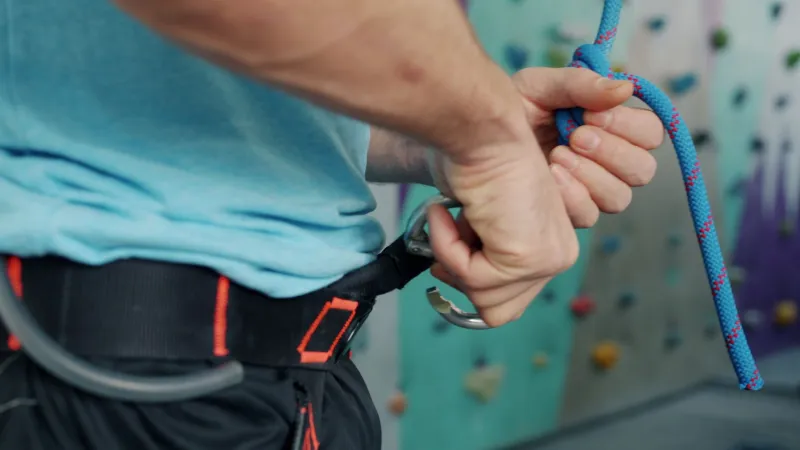
Every walker has a version of this story. The gate latch, the sharp edge of a picnic bench, the moment a clip that has worked perfectly for three years suddenly doesn't. One second you're strolling along a canal towpath with a dog doing that happy little shoulder-roll thing, and the next you're holding a loose lead and watching your dog investigate a duck with no supervision at all.
Nothing dramatic usually follows. Most dogs come back. But the ten seconds in between are long, and they're entirely avoidable.
That's the whole argument for a spare lead: not because disaster is likely, but because the fix is so cheap and so small that there's no good reason to be without it.
The quiet failure of everyday hardware
Dog kit wears out in ways that are hard to see. Trigger clips seize up after a wet winter. The spring gets gritty, the gate stops snapping shut properly, and you don't notice because the lead still looks fine hanging by the door. Webbing frays at the point where it rubs against the clip. A D-ring on a harness thins out. Stitching gives up quietly, one thread at a time.
None of this announces itself on the morning you're already late and the sky is doing that November thing where it's dark at half three.
A spare lead doesn't prevent any of it. What it does is turn a genuine problem into a thirty-second inconvenience. Clip on, carry the broken one home, order a replacement when you've got a cup of tea in front of you rather than a dog in the road.
The second dog you didn't plan for
Here's the scenario that catches people out most often: you're walking your own dog, and a neighbour's dog is loose. Or a friend's spaniel has slipped a collar two streets away. Or you're at the park and someone's puppy has decided your Labrador is its new best friend while its owner hobbles over with a broken flip-flop.
You now have a dog to help secure and no way to secure it.
A spare lead solves this cleanly. It also handles the happier version: the planned walk where a friend joins you, the borrowed dog, the foster that needs a second pair of hands. Improvised leads — belts, shoelaces, a scarf looped through a collar — work in an emergency and are miserable in every other respect. They cut, they slip, they give you no length control, and they make a nervous dog feel like it's being strangled.
Handovers when one dog needs space
Reactive dogs are where a second lead stops being a nice-to-have and starts being genuinely useful.
If you ever need to pass a lead between two people — taking over from a partner mid-walk, handing a dog to a friend at the door, moving a dog from one handler to another in a busy car park — the safest version involves two points of contact rather than one. A spare lead clipped to a harness back ring gives you a second anchor while the handover happens, so there's never a moment where the dog is held by nothing but a loose hand and hope.
It also helps with the corridor problem. If you're navigating a narrow pavement past another dog and your own is at the point of lunging, clipping a spare to a second point lets you shorten one lead and keep the other loose, or create a physical barrier between your dog and the thing it's unhappy about. Small geometry, big difference.
Mud, stiles and the detour tax
British walks come with obstacles that don't appear on any map: the kissing gate that needs both hands, the stile that needs a lift, the flooded section of footpath that forces you onto the verge of an A-road.
A short spare lead — three feet or so, no handle needed — is the tool for all of these. Loop it around a fence post at the pub garden. Use it as a temporary tether while you climb over something. Clip it on as a very short traffic lead when you're squeezed along a hedge with cars passing too close.
It's not a longline and it's not a training lead. It's a strap with two clips, and its job is to be there.
What actually earns its place in the bag
You don't need much. This is the short list:
- One spare lead, 1–1.2m, webbing, two clips. Not a chain, not a retractable. Something flat and light you can shove in a coat pocket.
- A spare trigger clip or carabiner. Two quid, weighs nothing, rescues a broken collar.
- A slip lead, rolled tight. Doubles as a collar for a dog that's slipped out of its own, and the kindest thing you can offer a stray.
- A spare collar or a figure-of-eight slip. Because a surprising number of lost-dog situations start with a collar that's a bit too loose.
- A poo bag or three. Obviously. But in the inner pocket so they don't weld themselves to your keys.
- A small carabiner for the bag itself. Clip the whole kit to your belt loop and stop rummaging.
Keep it all in one small pouch. The pouch is the rule — the spare lead that lives loose at the bottom of a rucksack will be the spare lead you can't find when you need it.
Introducing the spare without drama
The only real risk with a spare lead is that it becomes an unfamiliar object that appears at a tense moment. Fix that in advance.
Clip it to your dog's harness for the first few walks at home. Let it dangle, let them hear the clip. Take it on a normal walk, unclipped, so the smell and the jangle are ordinary. Then use it once for something pleasant — a short stretch on the way back from the park, a bit of pavement between two fields. Two or three outings and it's just another part of the kit, no more interesting than your keys.
While you're at it, check the existing lead. Run the webbing through your fingers, look at the stitching near the clip, test the gate. If it's gritty, rinse it and dry it properly rather than spraying it with anything oily that'll attract grit.
The rule, in one line
Every lead in your house has a shelf life. Every walk has a small chance of needing a second one. The spare isn't preparation for catastrophe — it's what lets you keep the walk ordinary when the ordinary thing goes slightly wrong.
Pack it once. Forget about it. Be quietly glad, one day, that it was there.