The Two-Speed Household: Helping Rabbits and Guinea Pigs Thrive Alongside a Dog
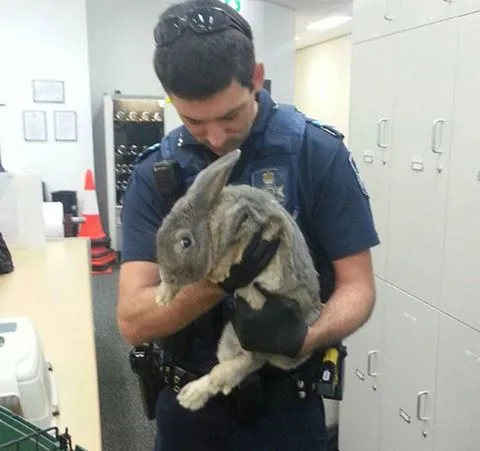
Photo: TaroAU, CC BY-SA 4.0, via Wikimedia Commons
A dog brings a certain tempo to a home. Walks at roughly the same time, dinner at a hopeful stare, a sudden clatter at the doorbell. Rabbits and guinea pigs, by contrast, run on a gentler and more private clock. Put the two together and it is easy to assume everything is fine because nobody is making a fuss. But quiet is not the same as calm, and a small pet that has simply learned to keep still is not the same as one that feels safe.
This is not about choosing sides or turning your home into a series of locked doors. It is about building a two-speed household: one where the dog can still be a dog, and the smaller residents get a rhythm, a refuge and a say in how close they come.
Start with the nose, not the barrier
Dogs gather a huge amount of information through scent, and small pets are no different. Before you worry about gates and timetables, give both parties a chance to get used to the idea of each other from a comfortable distance.
Scent swapping is the simplest version of this. Rub a clean cloth around the rabbit’s or guinea pig’s living area and place it near the dog’s bed for a short while, then do the reverse with a cloth that smells of the dog. Keep the introduction low-key. No holding one animal up to the other, no encouraging a face-to-face sniff through bars, and no rewarding a dog for fixating. You are aiming for familiarity, not friendship.
A useful rule is that the dog should be able to notice the scent and then choose to do something else. If your dog parks themselves by the enclosure and will not settle, the scent work has gone too fast. Put the cloth away, add a chew or a scatter feed in another room, and try again another day.
Two timetables, one house
The most reliable peace plan is not a shared schedule but two separate ones that overlap politely. Small pets need exercise windows of their own, whether that is a rabbit free-roaming the hallway or a guinea pig stretching out in a secure indoor run. Those windows should not depend on the dog being in a perfect mood.
Try a simple order of events. The dog goes out into the garden first, or has a settled chew in another room. Then the small pets come out. When they go back, the dog comes back in. If you want both in the same room, keep the dog on a lead and behind a sturdy pen rather than relying on verbal instructions. A dog can be brilliant and still be tempted by a sudden movement across the floor.
A chart on the fridge sounds fussy until you have had a chaotic week. Write down who is out when, and who is behind which barrier. It makes handovers between household members much clearer and stops the classic fifteen-second gap where the wrong door is opened.
Barriers that actually hold
A baby gate is a suggestion to a determined terrier. For small pets, you want a barrier that is sturdy, tall enough, fixed properly and fitted with a lid or roof where climbing is a possibility. Flimsy playpens can be nudged over, and gaps at the bottom are an invitation to a curious nose or a worried guinea pig.
Look at the setup from both directions. Can the dog jump it, push it or reach over it? Can the rabbit squeeze under it, chew through it or climb it? Cable ties, proper clips and a solid frame are unglamorous but effective. The enclosure itself should also have somewhere to hide: a box, a tunnel or a covered section where a small pet can vanish from view without being cornered.
The daily check: calm or just quiet?
This is the part that matters most. A household can look peaceful while one animal is merely frozen in place. Once a day, take two minutes to check what you are actually seeing.
Start with the small pet. Are they eating and drinking normally? Are droppings and urine output roughly what you would expect? Is there a relaxed loaf shape, a curious nose, a bit of grooming, or are they pressed into a corner with wide eyes? A rabbit or guinea pig that hides all day every day is not thriving, even if the room is silent.
Then look at the dog. Is their body loose? Can they disengage from the enclosure when you call them or offer a toy? Are they able to lie down and look away, or are they locked into a stare? A dog who whines, paces or guards the pen is telling you the arrangement needs more distance and more management.
A simple three-question check works well: did the small pet eat, move and rest normally today? Did the dog settle away from the enclosure at some point? Was there any moment that felt tense rather than easy? If the answer to any of those is consistently no, change the setup before you change your expectations.
Small adjustments that make a big difference
Give the dog a job that has nothing to do with the small pets. Sniff-heavy walks, puzzle feeders and chews all help take the edge off a busy brain. Give the small pets height and bolt holes: a raised platform, a covered hide, a tunnel that leads somewhere. And keep the dog out of the room when the small pets are having their most active stretch of the day.
The British weather adds its own wrinkle. Indoor hutches and runs can become cramped in a wet spell, so plan for extra enrichment and rotate the space rather than letting everyone share a soggy garden at once. A dry hallway and a secure pen can do more for harmony than a muddy lawn ever will.
Above all, do not treat a growl or a lunge as a training failure. It is information. Separate first, then think. With a bit of structure, a dog-led home can still make room for small pets who feel safe enough to be curious, not just quiet.