Boot-Room Diplomacy: Living Well With a Muddy Dog This Winter
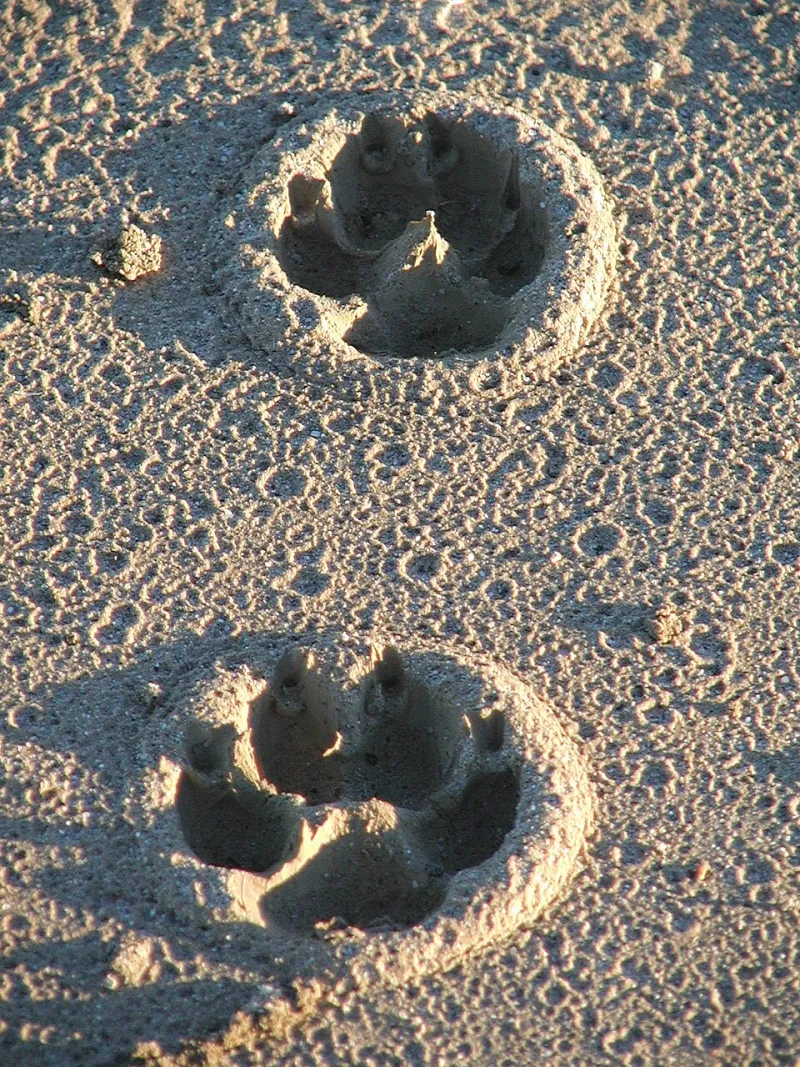
Photo: Nance Pomerene, CC BY-SA 4.0, via Wikimedia Commons
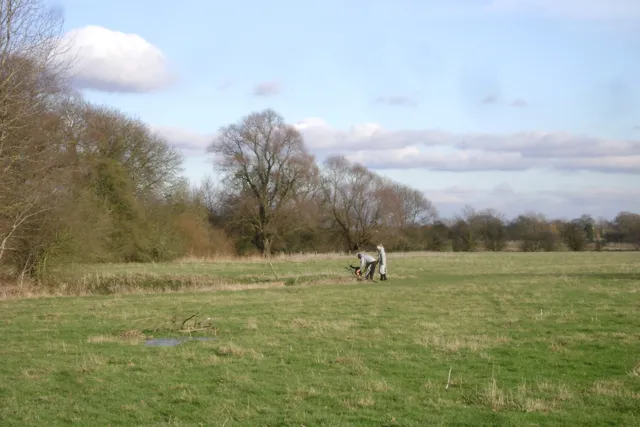
By mid-November, the UK dog walk has a familiar soundtrack: the squelch of a footpath that looked firm on the map, the jingle of a lead, and the sigh of someone realising the towel is still in the washing machine. Mud season is not a failure of planning. It is simply what happens when you combine short daylight, heavy ground and a dog who believes every puddle is a doorway. The trick is to build a routine that expects the mess, rather than one that collapses every time it appears.
At Pack Buddies, we are firm believers that a happy walk should not end in a hallway standoff. So here is a practical, good-humoured plan for towels, textiles and the small bits of kit that make wet weather feel less like a siege.
Start with a landing zone, not a laundry crisis
Not every home has a boot room. Plenty of us have a narrow hallway, a utility corner or the bit of floor where the coats live and the shoes pile up. That is enough. The goal is to create a predictable place where the walk ends and the drying begins, so your dog knows what comes next and you are not hunting for a clean towel with one hand while holding a lead with the other.
A simple setup works best: a waterproof mat by the door, a basket of microfibre towels within arm's reach, a hook for the lead and harness, and a shallow tray for very grubby boots. If space allows, add a lidded bin for used towels so the clean ones do not get mixed up with the muddy ones. A baby gate or a closed door between the hall and the rest of the house can also buy you thirty seconds of calm while you get organised.
This is not about creating a showroom. It is about reducing decisions. When the dog is wet and the light is fading, you want the towel to be obvious and the route to the kitchen to be blocked.
The paw towel that actually works
Drying a dog is less about scrubbing and more about cooperation. Most dogs tolerate a towel far better if it is introduced calmly, in the same place, after the same walk, with a treat nearby. Start with one paw, wrap the towel around it gently, and pause. Then move to the next. If your dog pulls away, do not chase. Let them shake, reset, and try again. A scatter of treats on the mat can give them something to do while you work.
Microfibre cloths are useful because they absorb quickly and can be washed hot. Keep a stack by the door and swap them out regularly. For very muddy legs, a small jug of warm water and a towel can be kinder than a full bath, especially if your dog is older or not a fan of the hose. Check between the toes and around the pads, where grit and mud like to gather. A quick look now can save a sore paw later.
The key is to keep the session short and calm. If your dog hates the towel, practise when they are dry and the stakes are low. Touch a paw, reward, stop. Build the habit over a few days rather than forcing a full drying routine in one go.
Coat and harness choices for wet ground
A winter coat is not a mud barrier, and that is fine. Choose one that fits well, keeps the worst of the rain off and does not restrict movement. Hi-vis details are worth considering for late-afternoon walks when the light goes early. For harnesses, a washable design with simple straps is easier to rinse and dry than something with thick padding that stays damp for days. If your dog wears a coat and a harness together, check that neither rubs and that the lead attachment is still easy to reach.
Wet kit should come off as soon as you are home. A damp harness left on a dog can chill them and irritate the skin. Hang it somewhere with airflow, not in a heap on the floor. A cheap drying rack in the utility room or over a radiator guard can become the most useful piece of dog kit you own.
What lives in the walk bag
Mud season is a good time to audit the bag. You do not need much, but the right small items earn their place. A spare microfibre towel, a few poop bags, a small water bottle and a handful of treats cover most situations. In the car, keep an old bath mat or a towel on the seat or in the boot. A spare lead can be a lifesaver if one gets soaked or tangled, and a couple of spare treats in a sealed bag will always be appreciated.
The aim is not to carry a full grooming kit up a hill. It is to have enough to handle the journey home without improvising with your own coat sleeve.
Protect the car without the drama
Car protection is mostly about layers. A boot liner, an old towel and a washable seat cover can contain the worst of the wet. If your dog travels in a crate, put a towel or vet bed inside and wash it regularly. Avoid leaving a wet dog in a cold car for long, and dry the worst of the mud before a longer journey if you can. None of this needs to be fancy. A dedicated dog towel that lives in the boot is often the difference between a calm drive and a stressful one.
Textiles, sofas and the reality of home life
Washable throws, removable covers and a designated dog spot on the sofa can save a great deal of friction. None of us want to spend winter saying no to the furniture. A simple rule helps: if the dog is wet, they go to their bed or their towel zone first. That is not a punishment. It is a routine, and most dogs settle into it quickly when it is consistent.
Keep a couple of vet beds or old blankets in rotation so one can be in the wash while the other is in use. Wash muddy textiles separately when possible, and check care labels before turning up the heat. A little planning here means the house still feels like a home rather than a drying room.
The mindset bit
Mud is evidence of a good walk. It is not misbehaviour, and it is not a reason to tell your dog off. If they come home filthy and happy, the walk has done its job. The routine around the door is there to help both of you, not to make anyone feel guilty for being a dog.
So keep the towels close, the treats handy and the expectations realistic. Winter walks will still be muddy. But with a small landing zone, a stack of cloths and a bit of patience, the mess becomes manageable and the good bits remain the good bits: the sniffing, the company and the quiet satisfaction of a dog who has had a proper afternoon out.