The Overnight Bag That Does the Talking: A Calm Dog Handover for One-Night Stays
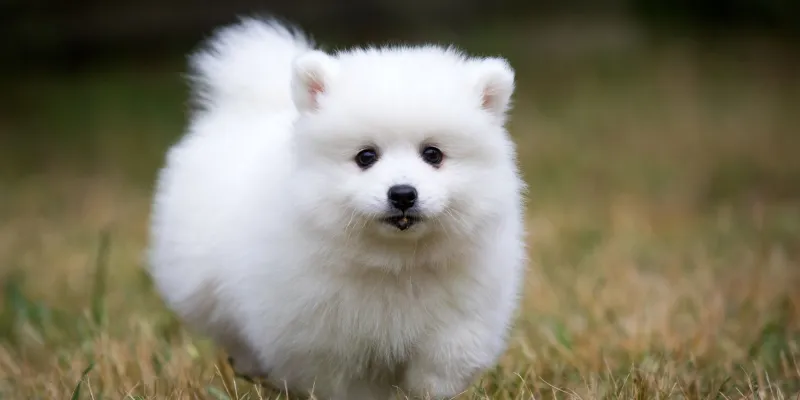
Photo: dog overnight bag with lead blanket and food by front door, via breedingbusiness.com
When you hand your dog over for a night, you are not just dropping off a lead and a bag of kibble. You are handing over a set of small, ordinary rituals that make your dog feel like themselves. The right overnight bag does two jobs at once: it keeps the dog’s routine intact, and it gives the sitter a clear script to follow when the front door closes. At Pack Buddies, we spend a lot of time thinking about happy walks and healthy packs. An overnight handover is simply another kind of pack change — and it goes far more smoothly when the bag has been packed with intent.
Begin With the Day, Not the Bag
Before you reach for a holdall, write down what a normal day actually looks like. Not the ideal day, and not the day you describe to the vet. The real one. When does the dog usually wake? When are the walks, and how long are they? Does supper happen before or after the evening stroll? Where does the dog sleep when the house goes quiet?
That rough timetable is the most useful thing in the bag. A sitter can follow a list of times and small habits far more easily than they can guess. Keep it to one side of A4, use plain language and avoid the temptation to write a novella. If your dog has a quirky ritual — a particular spot on the sofa, a slow sniff around the same lamp post, a stuffed toy that must be within reach at bedtime — say so. Those details are not fussy. They are the difference between a dog who settles and a dog who paces.
Food, Medication and the Tiny Details That Matter
Portion out the food before it goes in the bag. A whole sack of kibble invites guesswork, and guesswork is how dogs end up with an upset stomach or a skipped meal. Label each portion with the dog’s name and the day or meal it belongs to. If the sitter is only covering one night, pack exactly what is needed plus a small spare portion in case a walk runs long or a meal gets dropped on the kitchen floor.
Medication needs its own labelled pouch. Write the dose, the time and the method — in food, in a treat, or gently by hand — and include a note about what to do if a dose is missed. Do not assume the sitter knows how your dog takes a tablet. Some dogs swallow them like a dream; others can detect a pill through three layers of cheese. A short note saves a long evening.
If your dog is on a special diet, has allergies or tends to scavenge on walks, flag that clearly on the routine sheet as well as on the food pouch. The sitter should not have to hunt for the information in three different places.
The Walk Brief: Route, Leads and Local Hazards
A dog walk is not just a toilet break. It is the part of the day where the sitter learns how your dog moves through the world. Pack the usual lead, a spare lead if you have one, a harness if that is the normal setup, and plenty of poo bags. If your dog wears a coat or a harness with a specific fit, show the sitter how it goes on rather than assuming they will work it out at the front door.
Write a short walk brief. Include the usual route, the approximate time, and any local hazards: the bin lorry that comes round at four, the reactive dog behind the third gate, the patch of pavement that floods after rain, the field with sheep in it. Mention whether your dog is fine off-lead or should stay on-lead throughout. If there is a reliable recall, say so — but also say where it tends to wobble. A sitter who knows the wobble can plan around it.
For evening walks in November, add a torch and something visible. A reflective collar or lead slip is cheap and cheerful, and it makes a dark pavement feel less like a leap of faith.
Comfort That Smells Like Home
Dogs read the world through their noses, so pack something familiar. A blanket that already smells of home, a favourite toy, or an old T-shirt that has been slept on can do more for settling than a brand-new bed. Keep the comfort items simple and washable. If your dog has a crate or a particular sleeping spot, describe it in the routine notes and ask the sitter to recreate it as closely as they can.
Do not pack the entire toy basket. One or two familiar items are enough. Too much stuff can make the handover feel like a house move, and it gives the sitter more to keep track of when they are already learning a new dog’s rhythms.
Paperwork, Vets and the Microchip Number
This is the unglamorous part of the bag, and the part you will be glad of if anything goes sideways. Include your dog’s microchip number and the database it is registered with. Add the name, address and phone number of your usual vet practice. If your dog is insured, pop the policy details in a clearly marked envelope.
Agree in advance how veterinary decisions will be made. A sitter may need to seek treatment, but vets often want to speak to the owner or have clear authority before they act. Write down whether the sitter can authorise treatment up to a set limit, and make sure your own phone is reachable. Leave a second emergency contact too — a family member, a neighbour or a friend who knows the dog and can step in if you are stuck on a train or in a meeting.
Weather-Ready Kit for a British Overnight
British weather rarely asks permission before changing its mind. A compact towel, a paw wipe and a spare lead are worth their weight in gold when a dry walk turns into a muddy one. If your dog wears a coat, pack it even if the forecast looks mild. If they hate coats, say so — a sitter wrestling a reluctant dog into unnecessary outerwear is not a calm handover.
Add a small bag for wet or dirty kit so the sitter is not trying to separate muddy towels from clean blankets in a hurry. A couple of treats in a sealed pouch are also useful for rewarding calm behaviour in a new house.
The Ten-Minute Handover Chat
A bag is only as good as the conversation around it. When you drop your dog off, allow ten minutes to walk the sitter through the routine sheet, the food, the medication and the walk brief. Show them where the lead goes, how the harness fits and where the dog tends to settle. Let the dog have a sniff around while you talk. A handover that feels rushed can leave the sitter second-guessing, and a dog can pick up on that uncertainty.
Keep the goodbye short and cheerful. Long, tearful farewells are for films. Dogs tend to do better when the person leaving seems relaxed and the person staying seems confident.
A Calm Goodbye, a Confident Hello
The best overnight bag is not the biggest one. It is the one that answers the sitter’s questions before they have to ask them. Pack the routine, the portions, the paperwork and the familiar smell of home. Then hand over the lead with a clear head. Your dog gets a steady night, the sitter gets a fighting chance of getting it right, and you get to come home to a happy pack rather than a confused one.