Tickets, Treats and a Quiet Corner: Your Dog’s First Train Day, Minus the Melodrama
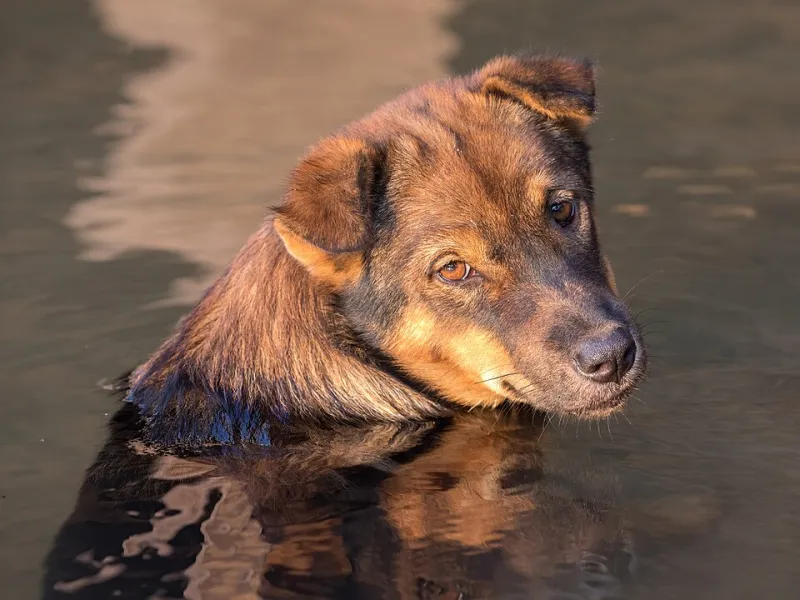
Photo: Basile Morin, CC BY-SA 4.0, via Wikimedia Commons
Train travel with a dog can be one of those quietly brilliant UK days out: no parking palaver, no back-seat shuffle, just the two of you watching the countryside slide past. It can also go sideways quickly if the platform is heaving, the train is late and your dog has decided the ticket machine is a threat. The difference is rarely luck. It is usually preparation.
At Pack Buddies, we are all for happy walks and healthy packs, and that includes the slightly odd pack of commuters, suitcases and rolling trolleys you meet at a station. Here is how to make a first rail journey feel less like an ordeal and more like a sensible day out.
Pick a journey your dog can actually enjoy
Before you book anything, look at the shape of the trip. A direct service with a short platform wait is kinder than a two-change epic, even if it takes a little longer. If you can avoid the commuter crush, do. Mid-morning and early afternoon are often gentler than the school-run or home-time rush.
Check the operator’s rules before you buy. Most UK domestic train companies welcome well-behaved dogs, but conditions vary: some ask for a lead, some have limits on how many dogs travel with one person, and a few have quirks about where a dog can sit. A quick look at the operator’s website is far better than discovering the fine print at the barrier.
If you can reserve a seat, do that too. A quiet carriage or a table seat near the end of a coach can give you a bit more breathing room. If stairs are tricky at either station, check step-free access and ask about assistance in advance. None of this is fussy. It is just removing the small stresses before they stack up.
Do a trial run, not a full dress rehearsal
You do not need to recreate the entire journey beforehand. A short visit to your local station at a quiet time is often enough: stand near the entrance, watch a train come in, reward your dog for settling, then go home. If your dog is comfortable with buses or trams, a brief hop can help them get used to the sound and motion of public transport.
Practise the bits that will matter on the day. Walking calmly past a ticket barrier. Waiting beside a bench while people pass. Settling on a mat for a few minutes. Using a lift rather than an escalator. These tiny repetitions build a picture for your dog: stations are places where good things happen and nothing much is demanded.
Keep sessions short. A dog who is already tired or wired before the trip starts will find the real thing harder, not easier.
Pack a rail-day kit, not a suitcase
The walk bag can do most of the work. You want a small, grab-friendly kit that handles thirst, toilet stops, small spills and the chance of a delay.
- A collapsible bowl and a bottle of water
- Poo bags, plus a spare one tucked somewhere obvious
- A handful of high-value treats in a easy-open pouch
- A lightweight mat or blanket that smells of home
- A spare lead and a slip lead if you use one
- A towel or small microfibre cloth for wet paws and mucky platforms
- Any medication, with a note of the dose
- A card with your vet’s number and your own contact details
- A muzzle if your dog normally wears one, even if you hope not to need it
Add a chew or a favourite small toy if your dog settles better with something to do. Skip the enormous picnic. You are aiming for calm, not a full day’s catering.
Treat the platform like a small training ground
Arrive with a buffer, but not so early that your dog has time to get bored and wound up. On the platform, find a quieter spot away from the main scrum and stand slightly to one side. Keep the lead short and soft. Let your dog watch the world without being expected to greet every passing suitcase.
Escalators are a no. Lifts are the sensible choice, even if they feel slower. If the concourse is busy, pause before you wade in and look for a less crowded route. A dog who is asked to weave through crowds at speed will often tell you, quite fairly, that this is not fun.
Let your dog toilet before you go through the barrier if there is a suitable spot outside. Once you are on the platform, keep water handy and offer it before boarding rather than waiting for a hot, packed carriage.
Read the signals before the journey reads them for you
A calm dog is not necessarily a floppy dog. Watch for the small signs that your dog is starting to find things a lot: lip licking, yawning, a tucked tail, sudden scanning, panting when it is not warm, refusing treats, or trying to create distance. These are useful information, not misbehaviour.
If you spot them, change something. Move to a quieter corner. Put a little more space between you and the crowd. Sit on a bench and scatter a few treats on the mat. Do not push on just because the timetable says you should. A five-minute pause can save an hour of stress.
Onboard: short lead, quiet corner, no drama
Once aboard, keep your dog close and the lead short enough that they cannot wander into the aisle. Most operators expect dogs to stay off the seats, so a mat on the floor is your friend. Avoid retractable leads in a carriage; they are a recipe for tangles and tutting.
If someone asks to say hello, you are allowed to say no. A train is not a dog park. Keep food out of reach, settle your dog under the table or at your feet, and reward calm behaviour quietly. If your dog is noisy or restless, a chew, a scatter of treats on the mat and a calm hand can do more than a stern word.
Have a delay plan
Delays happen. The trick is to have a small routine ready: find a quieter patch of platform, offer water, lay the mat, and give your dog something to nibble. Check the operator’s app or ask staff for the next sensible option. If the journey turns into a longer wait than your dog can comfortably manage, it is okay to change the plan and head home.
The aim is not to prove your dog can endure anything. It is to build a history of train days that were manageable, so the next one is easier. A dog who finishes the trip tired but relaxed is a far better result than a dog who merely survived.
Back home, offer water, a toilet break and a quiet hour. Check paws if the platforms were wet or salty. Then put the rail-day kit back on the shelf, ready for the next adventure. Happy walks, healthy packs, and a bit less platform melodrama.