Stiles, Steers and Squelchy Bits: A Town Dog’s First Countryside Walk
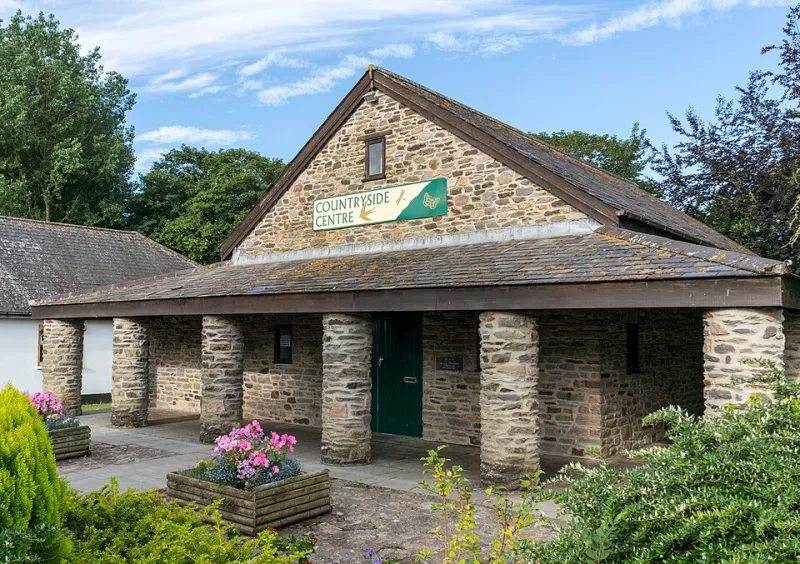
Photo: Dietmar Rabich, CC BY-SA 4.0, via Wikimedia Commons
There is a particular look a town dog gives you the first time a public footpath turns into a muddy ribbon between two hedges. It says: I know the route to the park, and this is not it. Fair enough. The British countryside is lovely, but it comes with new textures, new smells and the occasional staring contest with a cow.
The good news is that you do not need to become a fell-running expert overnight. You just need a few quiet habits, a decent pair of boots and a willingness to read the landscape as well as the lead. Think of this as a friendly field guide for the newly rural: not a rulebook to memorise, but a set of small choices that make everyone’s day better.
Start with the map, not the motivational speech
Before you load the dog into the car, have a proper look at where you are going. Ordnance Survey maps, local council rights-of-way pages and the National Trust or Forestry England websites will tell you whether the route is waymarked, whether there are stiles, and whether dogs are welcome on or off lead. The Countryside Code is worth a skim too, especially the bits about livestock and wildlife.
A short first outing is a good outing. Pick a route with a clear path, a couple of gates rather than a ladder stile, and a nearby pub or café with outdoor seating as a backup plan. If the walk goes sideways, you can retreat with dignity and a bag of crisps. That counts as a success.
Kissing gates are not as romantic as they sound
A kissing gate is designed to let people through while keeping livestock in. For a dog, it can feel like a puzzle box. Most dogs manage fine once they understand the idea, but do not rush the first one. Unclip the lead if it is safe to do so, guide your dog through, then clip back on the other side. If your dog is worried, lift them if they are small enough, or take a breath and try again rather than hauling them through.
Stiles are the other classic hurdle. Some dogs will hop over like it is nothing. Others will look at you as if you have suggested they take up tax accounting. Look for a gap beside the stile, a gate nearby or a lower step. If your dog genuinely cannot manage, turn back. There is no badge for forcing a nervous dog over a wobbly wooden stile, and a bad experience can colour future walks.
Livestock: give them space and keep it boring
The countryside is a workplace as well as a postcard. Sheep, cattle and horses are not there for a meet-and-greet. Keep your dog close and under control around farm animals, and put the lead on when you see them, even if your dog is usually brilliant at recall. A dog that has never chased anything in its life can suddenly find sheep fascinating. Do not let that be the day you find out.
If you are walking through a field with cattle, keep a calm, steady pace and give them room. Do not walk between a cow and her calf. If you feel uneasy, choose another route. There is no shame in a detour. The same goes for wildlife: ground-nesting birds, young animals and anything that looks like it might bolt should be left well alone. Your dog can enjoy the smells without conducting a full investigation.
Mud is part of the package
British footpaths have two settings: dusty and squelchy. In autumn and winter, assume the latter. A towel in the car, a spare lead and a stash of poo bags are the holy trinity of rural dog walks. Keep your dog out of deep water if you are not sure of the current, and check for blue-green algae warnings in warmer months. If the path runs alongside a field of crops, stick to the line of the footpath rather than cutting across the middle. Farmers notice, and so do the crops.
Good countryside manners are mostly about quiet consideration. Close gates behind you. Do not let your dog wander into someone’s garden because the gate looked open. Pick up after your dog, even in the middle of nowhere, and carry the bag to a bin rather than hanging it from a branch like a very sad Christmas decoration. These tiny choices are what keep paths open and welcome for the next pack.
Build up slowly and enjoy the strange bits
Your dog does not need to love every minute of the first countryside walk. They might be suspicious of a cattle grid, baffled by a wooden bridge, or alarmed by a pheasant making the noise of a startled kettle. Let them stop and sniff. Reward calm curiosity. Bring treats. If they would rather watch the gate from a safe distance than march through it, that is useful information, not a failure.
Go back to the same short route a few times. Familiarity does more for confidence than any amount of cheerful encouragement. Before long, your pavement-loving companion will be trotting through kissing gates like a local, giving the sheep a wide berth and finding every single puddle on the way home. Happy walks, healthy packs, trusted pet care: even the muddy ones count.