A Small Bag and a Familiar Smell: Packing Your Dog for a Calm UK Cottage Break
There is a particular kind of optimism that takes over when we pack for a dog-friendly break. The car boot starts filling with beds, bowls, toys, towels, a backup lead, a backup bowl and perhaps a small selection of chews for every possible mood. It is all done with love. It is also, quite often, the reason the car feels cramped before you have even left the street.
A dog does not need a portable version of the whole house. They need enough familiarity to feel safe, enough routine to know what is happening next, and a human who is not frazzled by the luggage. Packing for confidence rather than for every imaginable emergency tends to make the whole trip calmer for everyone.
Start with the nose, not the catalogue
Dogs make sense of new places through smell. A self-catering cottage in the Lakes, a seaside flat in Cornwall or a farm stay in the Peak District will smell utterly foreign at first. That is exciting, but it can also be unsettling.
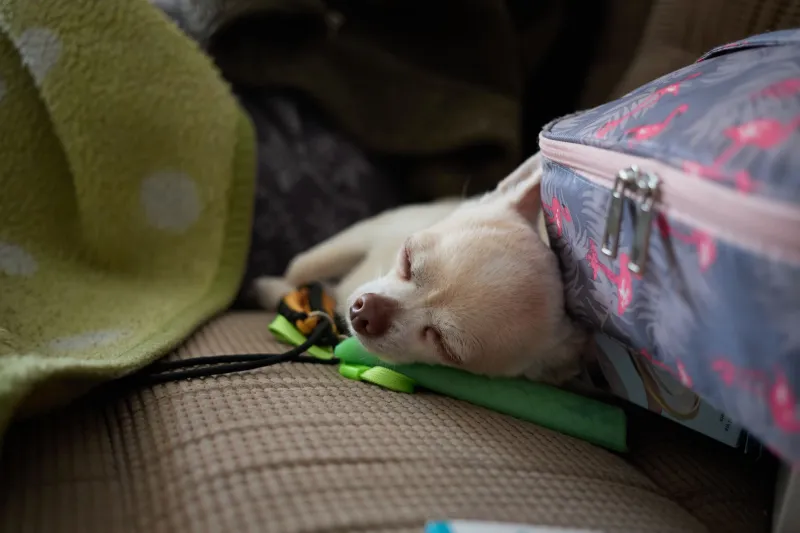
A familiar blanket is worth more than most of the kit in the pet shop. Ideally it is the one your dog already sleeps on, and ideally it has not just come out of a hot wash. A worn T-shirt that smells of you can work in the same way. Pop it in the dog's bed area when you arrive and you have given them an anchor in an unfamiliar room.
Bring one favourite toy, not the entire basket. Bring the food they already eat, not a new brand to try while you are away. Bring their usual bowl if it is light enough, or a simple travel bowl if not. The aim is not to recreate home in miniature. It is to give your dog a few clear signals that say: this strange place is ours for a few days.
The paperwork that earns its place
There is a tempting pile of just-in-case paperwork that can accompany a dog on holiday. Most of it stays unread. A slim zip-up wallet is usually enough.
Inside, keep a note of any medication your dog takes, the dose and the times. Add your vet's contact details, your insurance policy number and your dog's microchip number. If you are staying somewhere remote, save the details of a nearby veterinary practice before you travel. Phone signal can be patchy in exactly the places we love most.
If your dog is on regular medication, pack more than the exact number of days you need. A small buffer covers a delayed journey or a clumsy moment with a tablet. Keep medication in its original packaging and in the boot or a cool bag if the weather is warm. Do not rely on remembering the dose when you are tired and the cottage kettle is calling.
The lead, the towel and the sensible spare
UK weather has a way of making itself known on a dog-friendly break. An old towel is one of the most useful things you can bring. It lives by the door, catches muddy paws and saves the cottage floor from becoming a smear of November footpath.
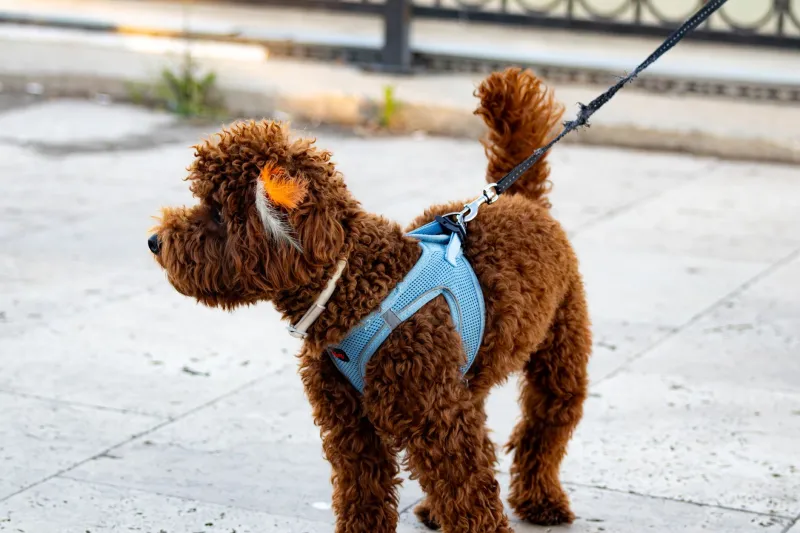
Bring the harness and lead your dog already knows, plus a spare lead if you have one. Check that the ID tag is still readable and attached. Poop bags are not glamorous but they are essential, especially on countryside walks where bins can be few and far between. A small first-aid kit with basic paw-cleaning bits is sensible; a full veterinary cabinet is not.
If the cottage has a garden, check how secure it really is before you let your dog off the lead. Hedges can have gaps. Gates can be low. A long line can be useful for sniffing time in an unfamiliar space, but only if your dog is already comfortable on one.
What to leave at home
This is the part that saves the most space and the most stress. Leave the giant crate at home unless your dog genuinely cannot settle without it, and check first whether the cottage provides one. Many pet-friendly places do, or they offer a stair gate and a utility room that works just as well.
Leave the toy basket. Leave the second bed, the third bowl and the full grooming kit. Leave the bulk bag of food for a short trip if you can decant what you need into a smaller container. Leave the mountain of just-in-case equipment that you are bringing for your own peace of mind rather than your dog's comfort.
Dogs are excellent at reading our mood. A human wrestling a tower of luggage into a cottage while muttering about the boot is not the calm arrival anyone had in mind. A smaller bag makes for a smoother first hour.
The first hour matters more than the packing list
When you arrive, resist the urge to head straight out to the pub. Set up the dog's bed, blanket and water first. Let them sniff around on the lead. Keep the first walk short and gentle, especially if you have been in the car for hours.
Try to keep meal times and walk times roughly as they are at home. If you are leaving your dog alone in the cottage at any point, do it gradually and check the house rules first. A familiar chew and a radio on low can help, but a dog who has never been left in a strange house may need company for the first day.
A UK staycation with your dog does not need to be a military operation. It needs a small bag, a familiar smell and a bit of thought about what makes your dog feel secure. The rest - the muddy towelling, the pub stop, the long sniff by the gate - tends to look after itself.
Happy walks, healthy packs, trusted pet care.