The Frosty Pavement Audit: A Winter Feet Plan for UK Dogs
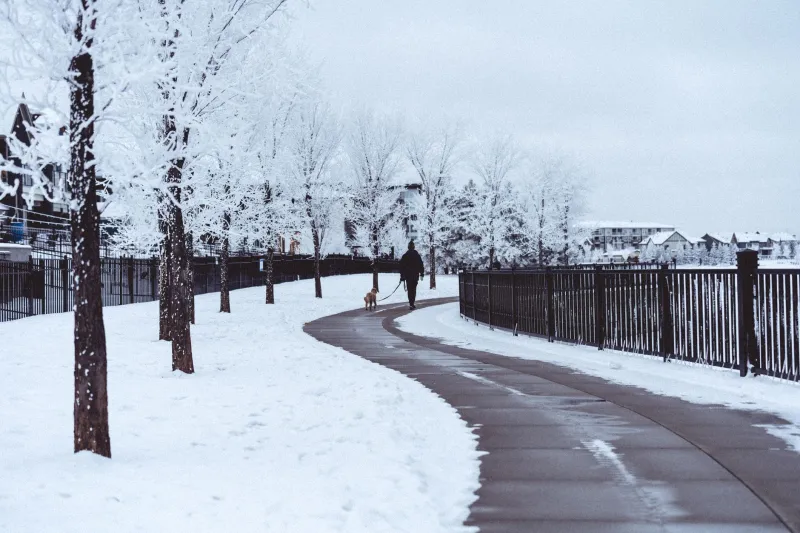
British winter has a way of turning a familiar pavement into a chemistry experiment. Council gritters roll out overnight, rock salt gets scattered, cars drip something mysterious onto driveways, and by 7am your dog is walking through a slushy mix that neither of you signed up for. Most dogs cope fine. Some don't, and the difference is usually less about booties or balm and more about route, routine and a decent towel by the door.
What's actually on the pavement
Grit isn't one thing. Road grit is often a blend of salt and small stones; the salt lowers the freezing point, the grit gives tyres something to bite. On pavements, councils may use salt, sand, or a mix, and the coverage is patchy. That matters because salt is drying and abrasive, and it can sting cracked or irritated pads. The bigger day-to-day problem for many dogs is mechanical: ice balls forming between the pads and fur, or sharp grit working into small cracks.
Antifreeze is the one to take seriously. Ethylene glycol has a sweet taste, and even small amounts can be dangerous. Spills cluster around parking areas, driveways and roadside gutters. If you suspect your dog has licked any, call a vet straight away rather than waiting for symptoms.
The route plan that beats the balm
A useful rule for a frosty morning: plan the walk around treated surfaces, not just distance. Freshly salted pavements near schools, stations and shops are often the most heavily treated. Quiet residential streets may be untreated but icy. Grass verges and park paths can be kinder to paws, though they have their own hazards: frozen puddles, hidden glass, and ice balls in long fur.
Check your council's winter gritting map if it publishes one; many now show which routes get priority. Then build a short loop that keeps the worst surfaces to a minimum. If you must cross a gritted stretch, cross it and move on rather than lingering. Avoid puddles after a cold snap, especially near car parks, and steer clear of driveways where antifreeze might have dripped.
For dogs with long fur between the pads, a careful trim before the cold spell can reduce ice-ball build-up. Ask a groomer if you're unsure; don't dig at the fur with scissors at home.
Wash and dry, not just wax
Paw balm has its place as a barrier, but it is not a substitute for cleaning. The routine that genuinely helps is boring and effective: on return, rinse the paws in lukewarm water, then dry them properly, especially between the pads and around the nails. A shallow bowl by the door works well. Keep a dedicated towel handy and make the whole thing feel normal, not like a medical inspection.
Dry paws are less likely to crack, and you'll notice small problems before they become big ones. While you're there, check for red skin, cracks, swollen pads or packed ice. Don't let your dog lick salt off their feet; rinse it off instead.
If your dog has sensitive paws, a vet or veterinary nurse can advise on whether a barrier wax or booties are worth trying. Boots can help on very cold days, but only if they fit well and your dog is comfortable wearing them. A badly fitting boot can cause more rubs than it prevents.
The walker handover
If someone else is taking the lead on a frosty morning, brief them like you would for any other weather. Pack Buddies walkers are used to winter routes, but every dog is different. Tell them which pavements you avoid, whether your dog tolerates paw handling, and where the towel and rinse bowl live. Mention any history of sore pads or cracked skin. Ask them to rinse and dry paws after the walk, and to note any limping or excessive licking. Share your vet's details and a contact number.
If your dog wears boots or a paw wax, show the walker how to use them rather than assuming it's obvious. A two-minute handover saves a lot of guesswork.
When to call the vet
Most winter paw issues are minor and settle with a rinse, a dry and a few quiet days. Seek veterinary advice if your dog is lame, has bleeding or deeply cracked pads, keeps chewing at their feet, or has been exposed to antifreeze. Don't wait for a 'wait and see' if antifreeze is a possibility.
For routine winter care, a quick check after every walk is worth more than a cupboard full of products. Happy walks, healthy packs: sometimes that starts with a towel, a bowl of lukewarm water and a route that skips the saltiest stretch of pavement.