When the Doorbell Brings a Dog: Hosting an Overnight Guest Without the Whole-House Overhaul
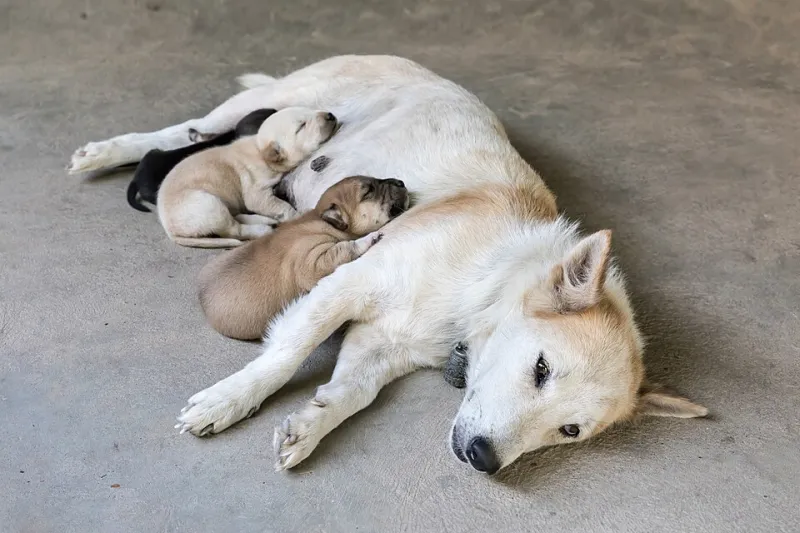
Photo: Basile Morin, CC BY-SA 4.0, via Wikimedia Commons
Most dog sleepovers start with good intentions and a slightly frantic text. A friend is going away, a sitter has a gap, or a neighbour needs a hand, and suddenly you are wondering whether your hallway is too narrow and your rug too precious. The good news is that a visiting dog rarely needs a full house makeover. It needs a calm corner, a few familiar smells and a routine that does not ask too much of anyone.
This is hospitality, not renovation. Think of it as setting one small stage rather than reorganising the whole theatre.
Start with the corner, not the whole house
Pick a quiet spot away from the front door, the kitchen rush and the washing machine. In a UK flat, that might be a hallway alcove, a corner of the living room or a spare room with the door propped open. It should not be a walkway where people step over the bed every ten minutes.
You do not need a new bed. A washable blanket, a crate if the dog already uses one, and a bowl of water within reach will do. Do not introduce a crate for the first time on a sleepover; use what the dog knows. Ask the owner to send a worn T-shirt or a familiar blanket. That smell does more than any expensive pet bed.
Scent is the welcome mat
Before the dog arrives, put the familiar blanket in the chosen corner. Let the dog find it rather than presenting it like a prize. Keep the first hour low-key. There is no need for a house tour, a party or a welcome committee of every family member.
If you have resident pets, plan separate spaces from the start. A visiting dog should not be expected to make friends at the door. Use a stairgate or a closed door, and let everyone settle before any introductions are even considered. In shared hallways or flats with communal entrances, keep the visiting dog on a lead between the front door and the flat. It is not distrust; it is just a simple bit of traffic control.
Water, food and the boring bits
Boring is good. Ask the owner what the dog eats, when, and whether the bowl goes in a particular place. Keep the food the same. A sleepover is not the moment to test a new brand or a fancy treat.
Put the water bowl somewhere the dog can reach without crossing a busy bit of floor. Keep bins closed, shoes out of reach, cables tidied and any chewable houseplants moved. UK homes often have small kitchens and narrow hallways, so a quick scan at dog height is worth doing. What looks like a clear floor to you might look like a buffet to a curious terrier.
Boundaries with a light touch
Decide before the dog arrives which rooms are open and which are closed. Use a stairgate or a door rather than a running commentary of no. If the owner says the dog sleeps downstairs, keep that routine. If the dog normally sleeps on a bed, do not turn the first night into a training exercise.
Write the house rules down for the visiting human too. It sounds formal, but a short note prevents a lot of guesswork. Are shoes off at the door? Is the garden shared? Does the gate latch properly? Small details matter more than grand gestures.
The first hour routine
A calm arrival beats a big welcome. If possible, take the dog for a short walk before the handover, or ask the owner to do so. Let the dog sniff the corner on a lead, offer water, and show the way outside for a toilet break. Keep voices low and movements slow.
Then let the dog be. Sit nearby, read a book, do not stare. A dog that settles within twenty minutes is doing well. A dog that paces may need a quiet room and less company. Feed the usual food at the usual time, and keep the evening shapes familiar.
At bedtime, follow the owner's routine as closely as you can. If the dog whines, a short toilet break is reasonable. Then settle it back in its corner with minimal fuss. The first night is not the night to teach new rules.
The checklist to hand over
Ask the visiting dog's human for a short note you can keep by the kettle:
- Dog's name, age and any pet names it answers to.
- Food, feeding times, treats and anything that upsets its stomach.
- Medication, allergies and medical conditions.
- Vet practice, out-of-hours number and insurance details.
- Microchip number and the database it is registered with.
- Toilet routine and the word or signal used.
- Sleep spot and bedtime routine.
- Fears, triggers and how the dog likes to be handled.
- Owner's phone number, return time and a second contact.
It is not a dossier. It is a fridge note with a job to do.
When to call the owner
Call if the dog will not eat, is sick, seems lame, is breathing oddly, or gets out. Call if it is hiding and will not come out for a toilet break. Trust the small worry. Most owners would rather have a text than a surprise.
A dog sleepover should feel like a favour with a plan, not a test of your hosting skills. Get the corner right, keep the routine dull, and let the dog decide how quickly it wants to relax. That is calm hospitality with paws.